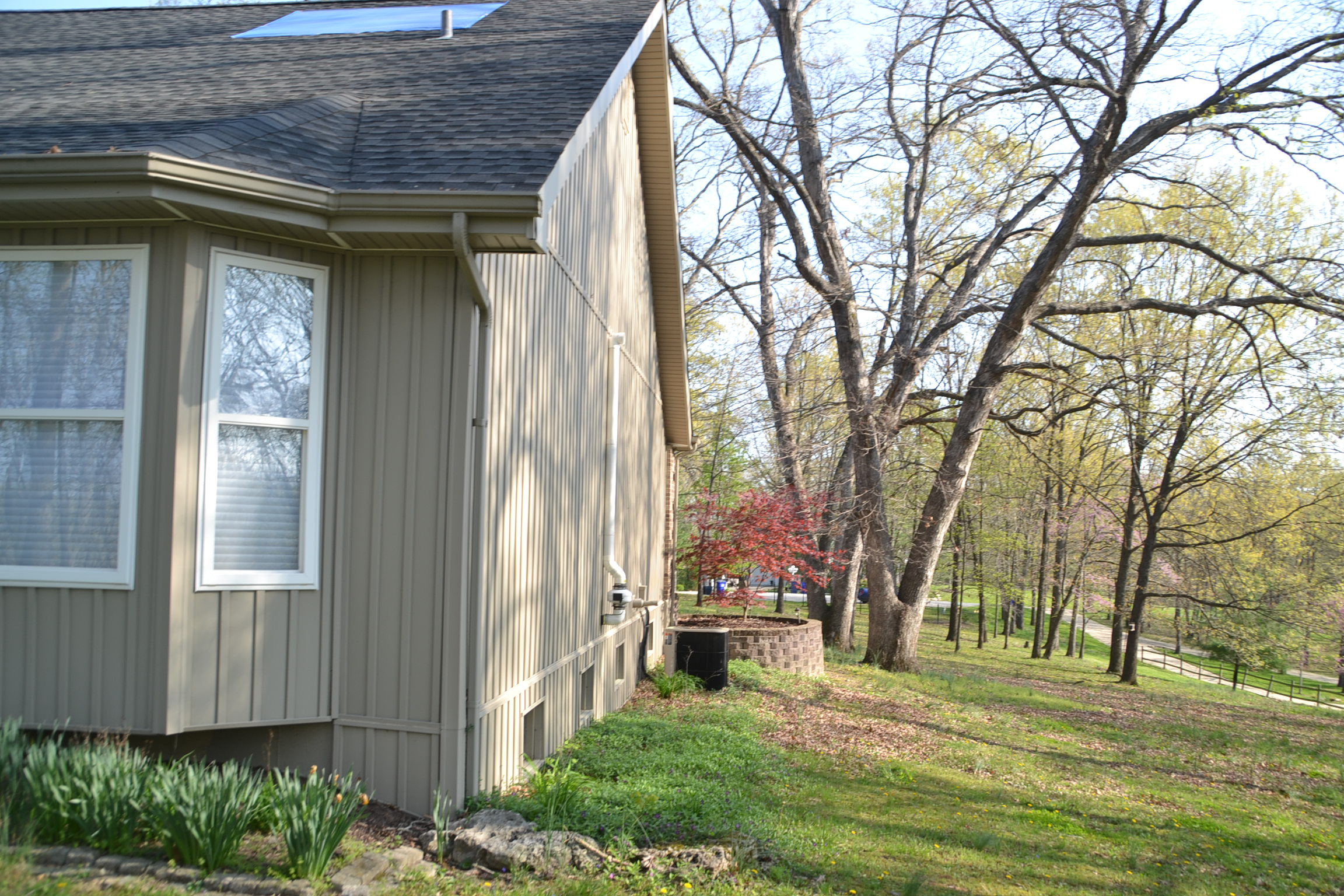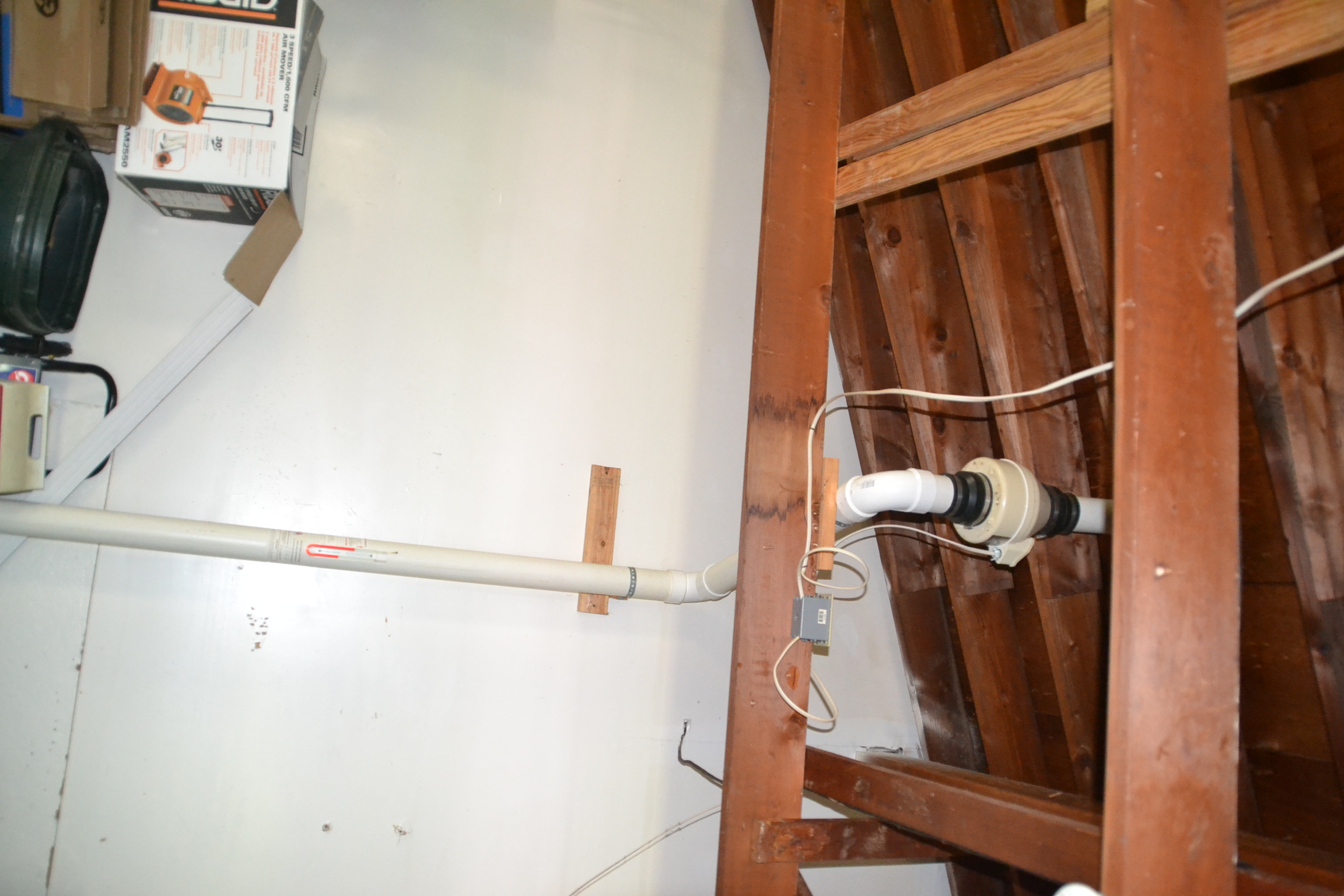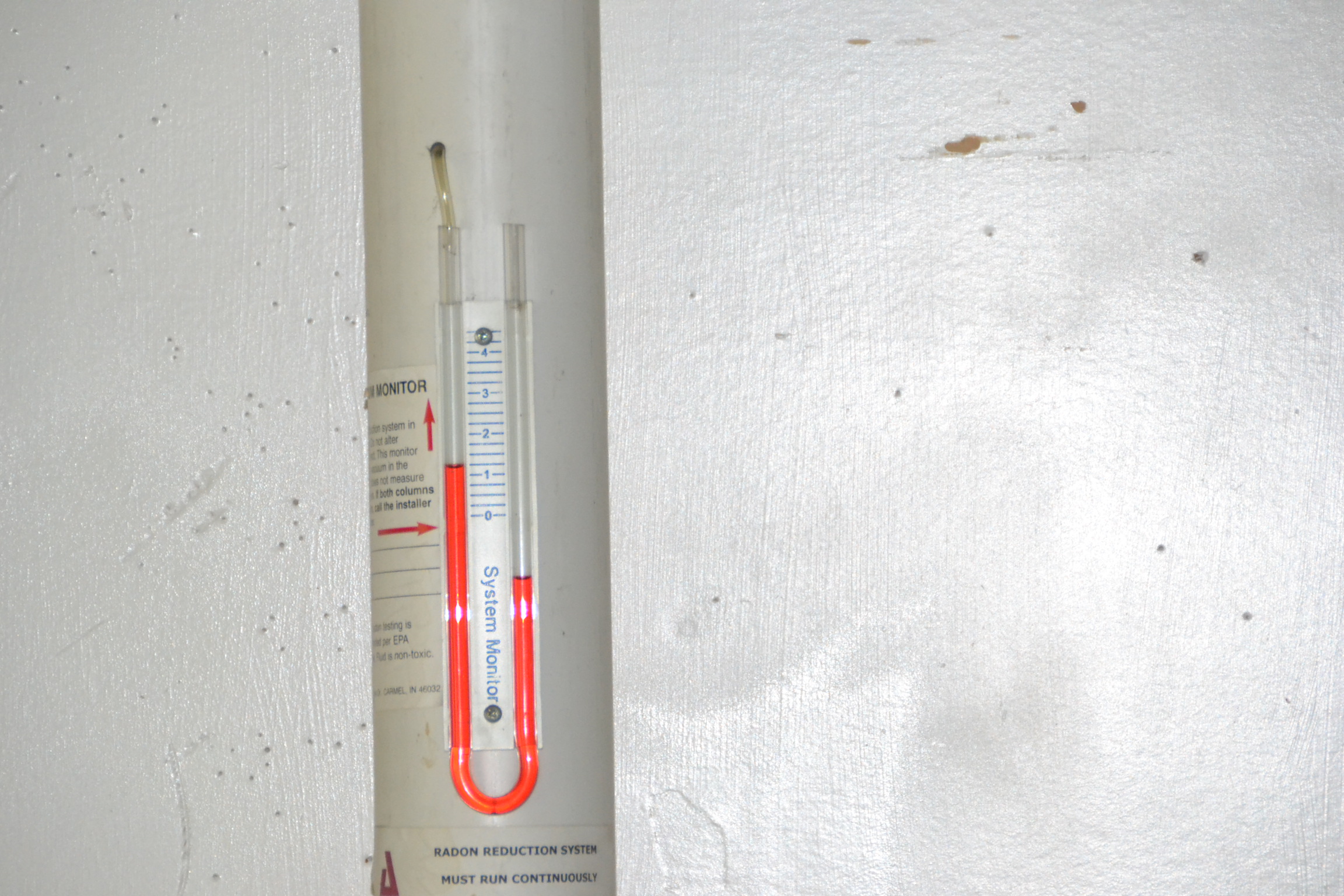


The EPA considers Radon gas to be a serious indoor environmental threat, second only to smoking as a cause of lung cancer related deaths. A Harvard University study found Radon gas to be 400 times more deadly than asbestos.
Awareness is the most important step in solving a Radon problem. By testing you learn about your chance of getting Radon induced lung cancer while living in your home. The next step is to consult with a qualified expert to choose which remedial steps may be necessary to reduce your risk of lung cancer.
The law has required all schools and libraries to test for Radon gas exposure. The next step for all business and residential property owners is to test for this deadly gas. Testing is mandatory for residential purchase in many states and all relocation companies require testing. Don't wait for the slow process of the law to catch this deadly problem. Your school district does not allow this problem and neither should you. Act now to protect your family.